A dental implant is a titanium or ceramic post that an oral surgeon places into the jawbone to replace the root of a missing tooth. This post acts as a stable foundation for an artificial crown, which is usually made of ceramic and matched to the color and shape of the patient’s natural teeth. According to the American Dental Association (ADA), the success rate of dental implants ranges between 95% and 98%, especially when performed by an experienced specialist and when the patient maintains excellent oral hygiene.
Dental Implants
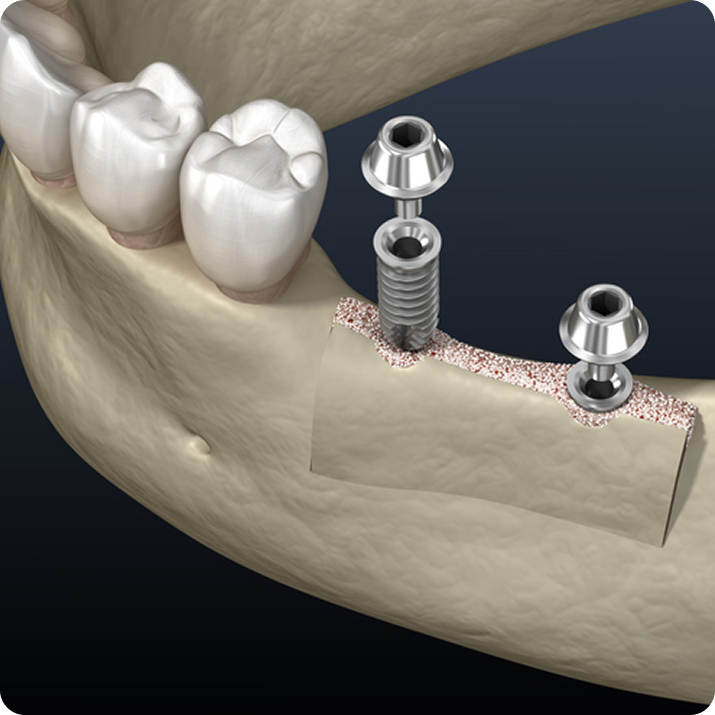
A dental implant is a titanium or ceramic post that an oral surgeon places into the jawbone to replace the root of a missing tooth. This post acts as a stable foundation for an artificial crown, which is usually made of ceramic and matched to the color and shape of the patient’s natural teeth. According to the American Dental Association (ADA), the success rate of dental implants ranges between 95% and 98%, especially when performed by an experienced specialist and when the patient maintains excellent oral hygiene.
Teeth whitening, as one of the most common and minimally invasive cosmetic procedures, is widely used in cases of discoloration caused by pigmented foods and beverages, smoking, and aging. This method uses professional whitening agents containing hydrogen peroxide or carbamide peroxide. These materials penetrate the enamel in a controlled manner and lighten tooth color through an oxidation process that breaks down pigments.
Composite Veneers
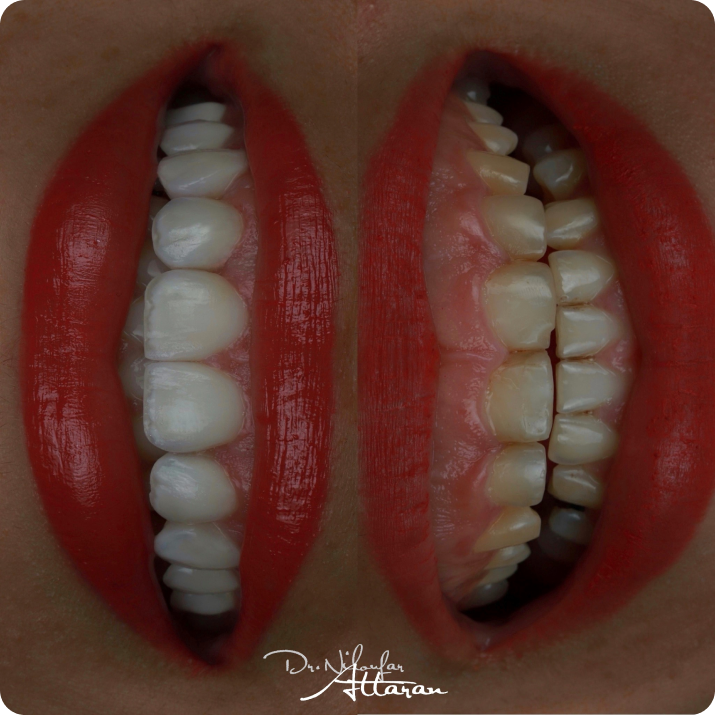
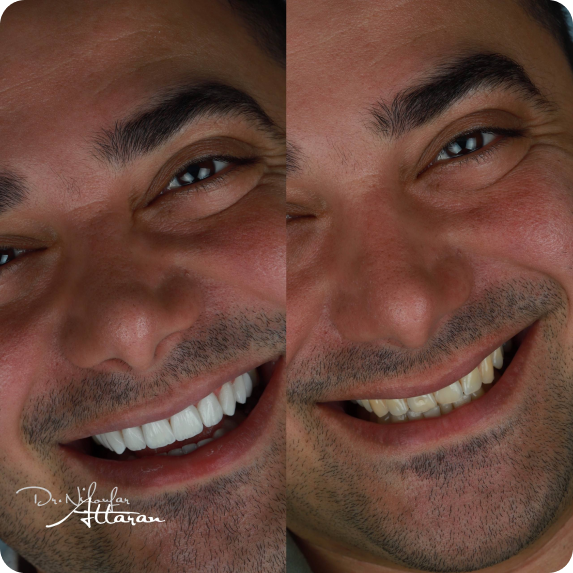
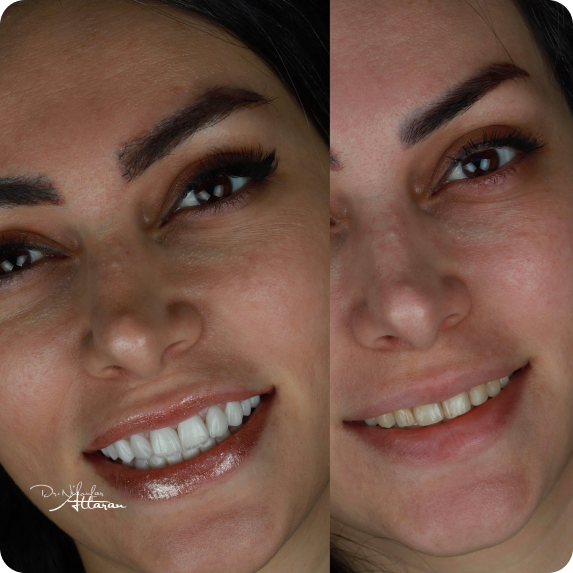
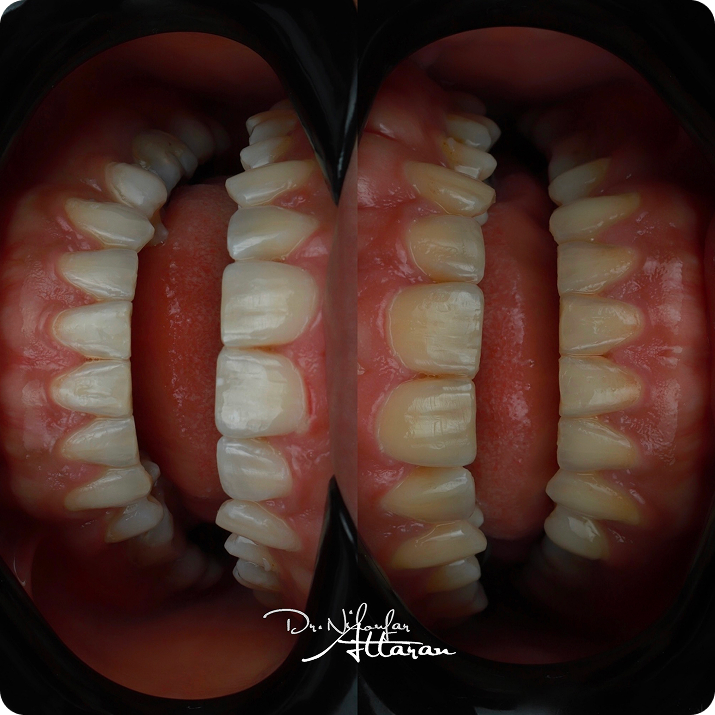
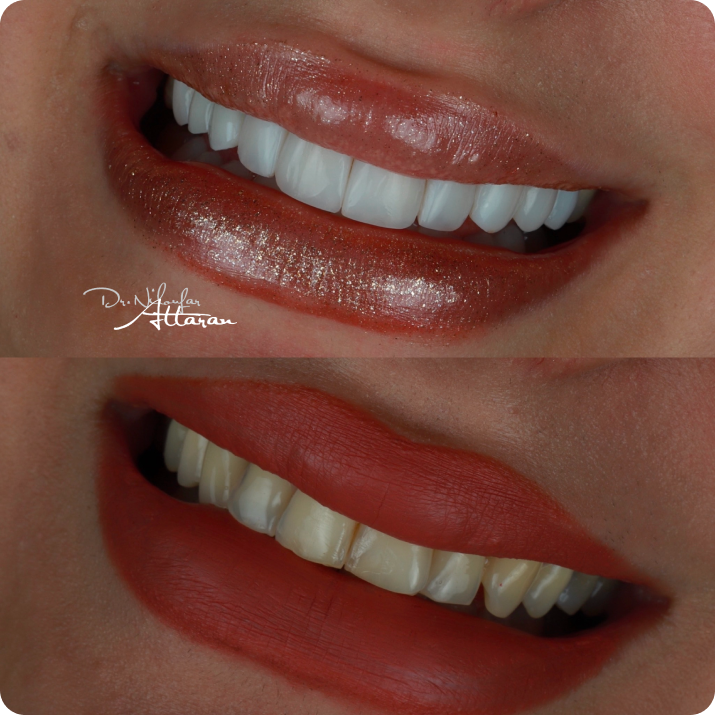
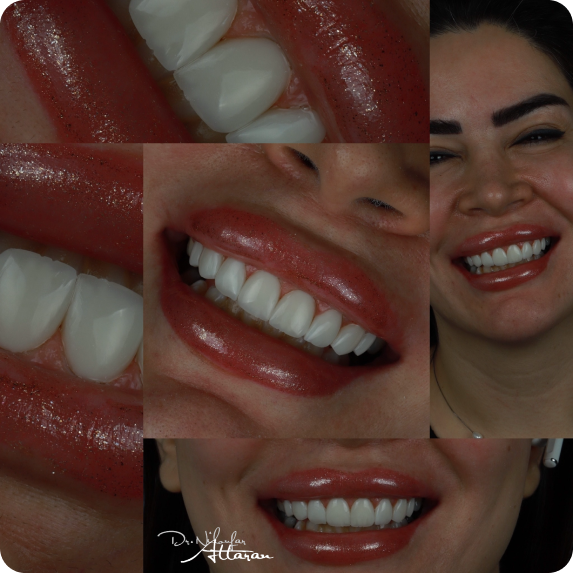
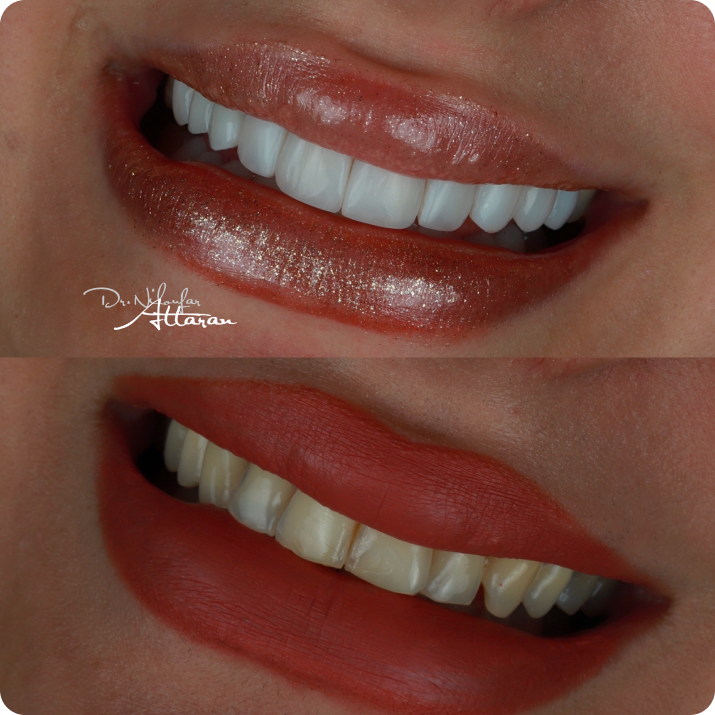
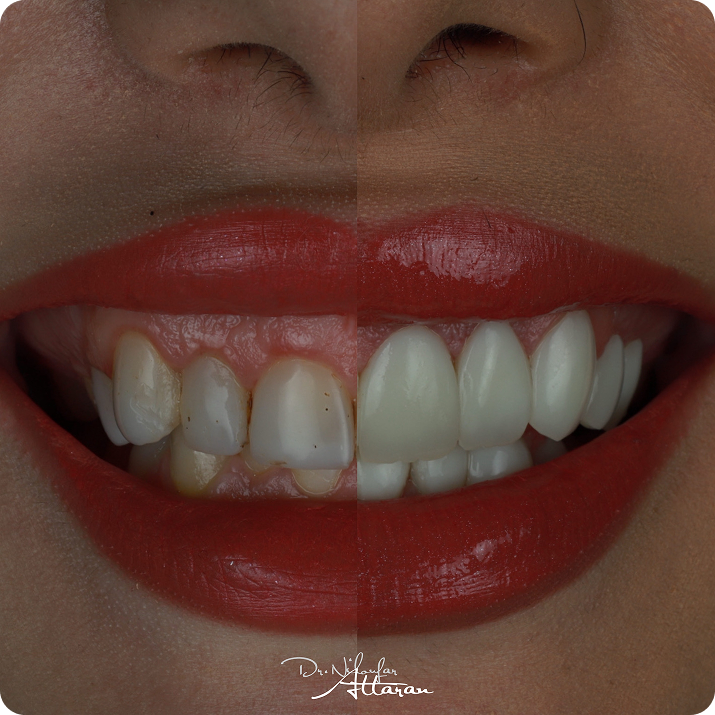
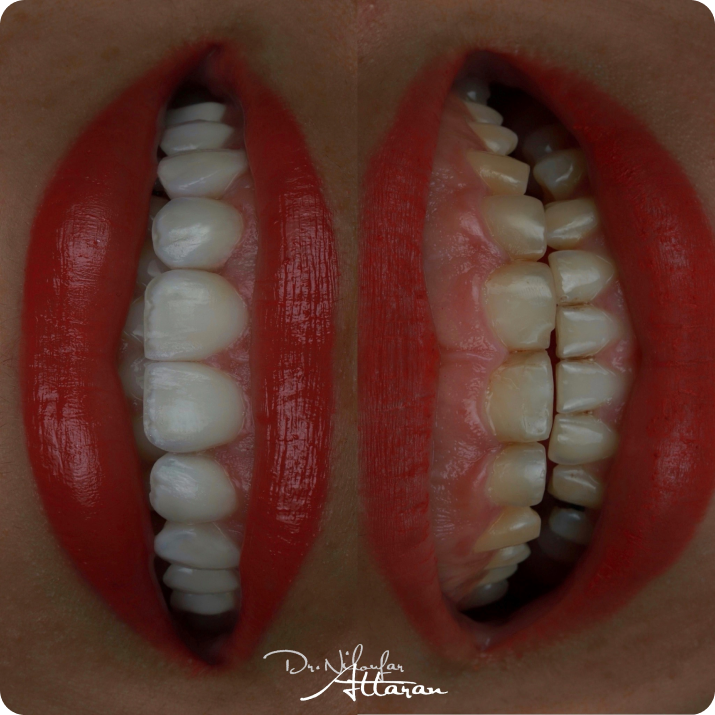
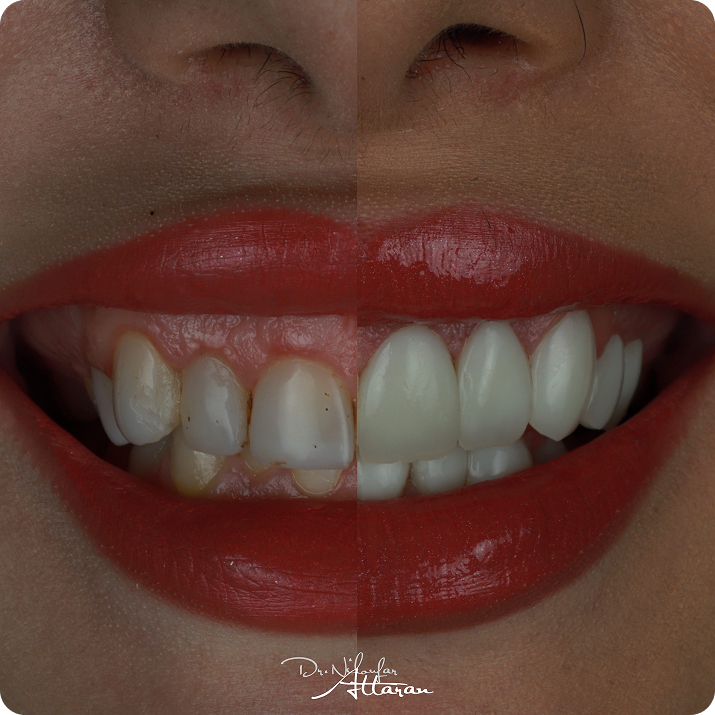
A composite veneer is a thin layer of tooth-colored material that matches the natural shape and shade of your teeth, enhancing the beauty of your smile. Many patients prefer composite veneers over porcelain ones for several reasons — the most common being cost, as composite veneers are generally more affordable. Thanks to their natural appearance, long durability, and reasonable cost, composite veneers have become one of the most popular aesthetic dental treatments available today.
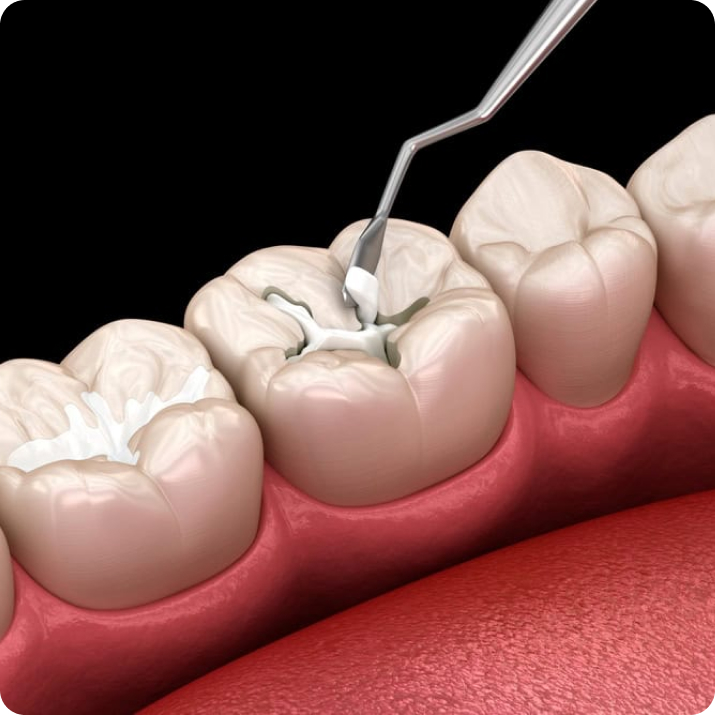
Restorative dentistry involves the diagnosis, prevention, and treatment of oral diseases. A dentist may recommend restorative treatment if a tooth is affected by decay, chipping, fractures, discoloration, or if there is a need to replace missing tooth structure. A tooth compromised by any of these conditions may require treatments such as fillings, crowns, inlays or onlays, implants, or dental bridges—depending on the patient’s specific needs and overall oral condition.
Wisdom Tooth Surgery
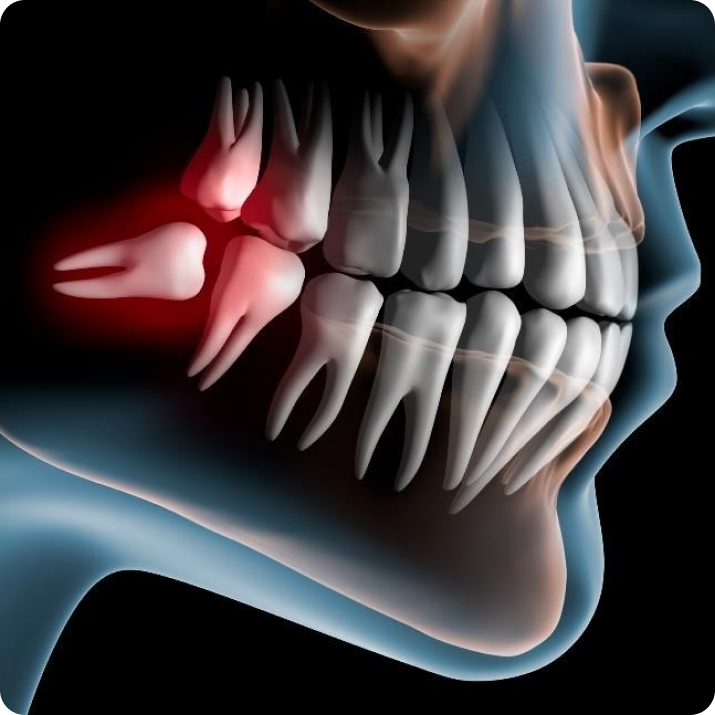
Wisdom teeth are expected to erupt naturally and healthily at a certain age. However, in many individuals, due to limited jaw space or improper eruption pathways, these teeth grow at an angle and remain fully or partially impacted beneath the gum. Although impaction or partial impaction is considered abnormal, these teeth do not necessarily require removal unless they cause clinical symptoms or complications. If pain, inflammation, infection, damage to adjacent teeth, or other issues arise, surgical extraction of the wisdom tooth becomes necessary and is prioritized as an essential treatment.
Root Canal Treatment
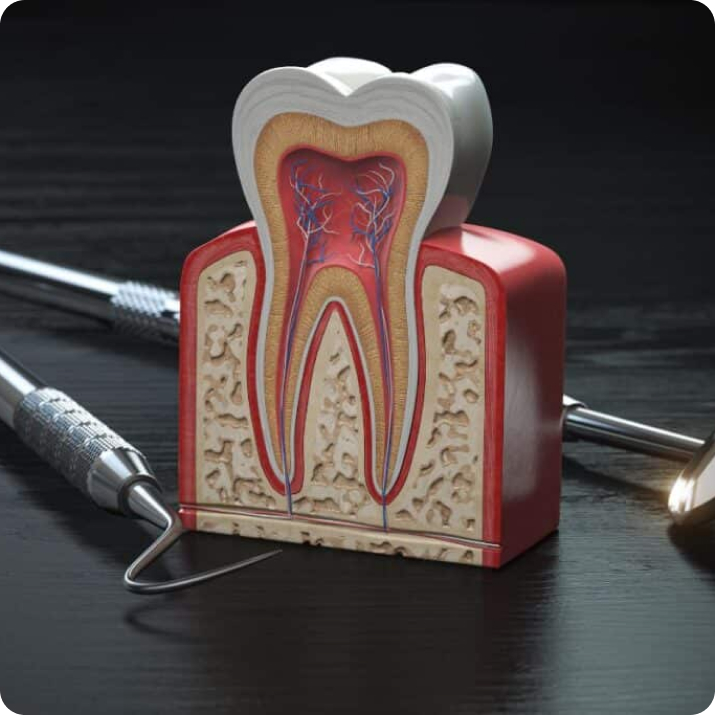
Root Canal Treatment is a conservative and effective treatment aimed at preserving natural teeth. This procedure is performed when the dental pulp becomes irreversibly inflamed or infected due to deep decay, fractures, cracks, or trauma. Root Canal Treatment is a conservative and effective treatment aimed at preserving natural teeth. This procedure is performed when the dental pulp becomes irreversibly inflamed or infected due to deep decay, fractures, cracks, or trauma. Dental pulp is the soft, living tissue located at the center of the tooth within the root canals, containing nerves, blood vessels, and connective tissue. It plays a vital role in nourishing the tooth and transmitting pain and sensitivity. When the pulp becomes infected, it cannot survive.
Gum Surgery
Gum surgery is performed to treat and improve the health of the oral tissues and can have several purposes, such as: – Repairing damaged or abnormally grown tissues and bones, – Preventing gum recession and tooth loss, – Reducing gaps between teeth (known as “black triangles”) that need aesthetic correction, – Reshaping the jawbone to reduce bacterial buildup and improve bone health, – Eliminating infections and harmful bacteria in the gum area, – Enhancing the appearance and aesthetics of the smile when performed for cosmetic reasons.
Laser Gum Lift Surgery
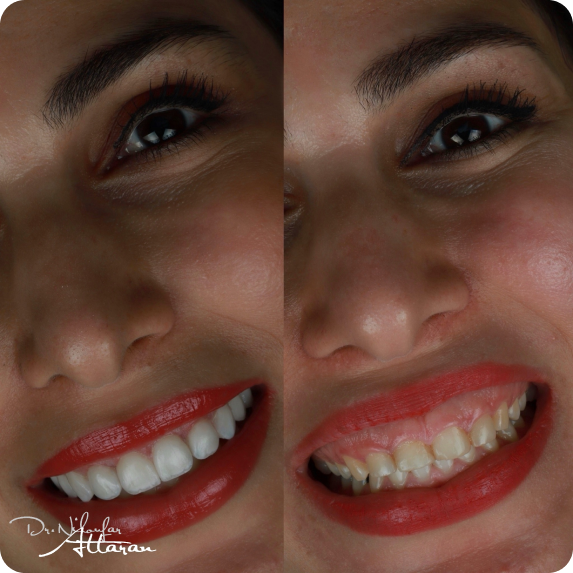
Gum Lift is a cosmetic dental procedure designed to improve the appearance of the gum line. This technique is suitable for patients who: – Have a “gummy smile” (when excessive gum tissue is visible while smiling), – Have teeth that appear short, – Or have uneven or irregular gum lines.